1. Robots arrive first
Before people land, cargo ships, construction robots, and scouting rovers would set up power, communications, landing zones, and the first stores of water, oxygen, and spare parts.

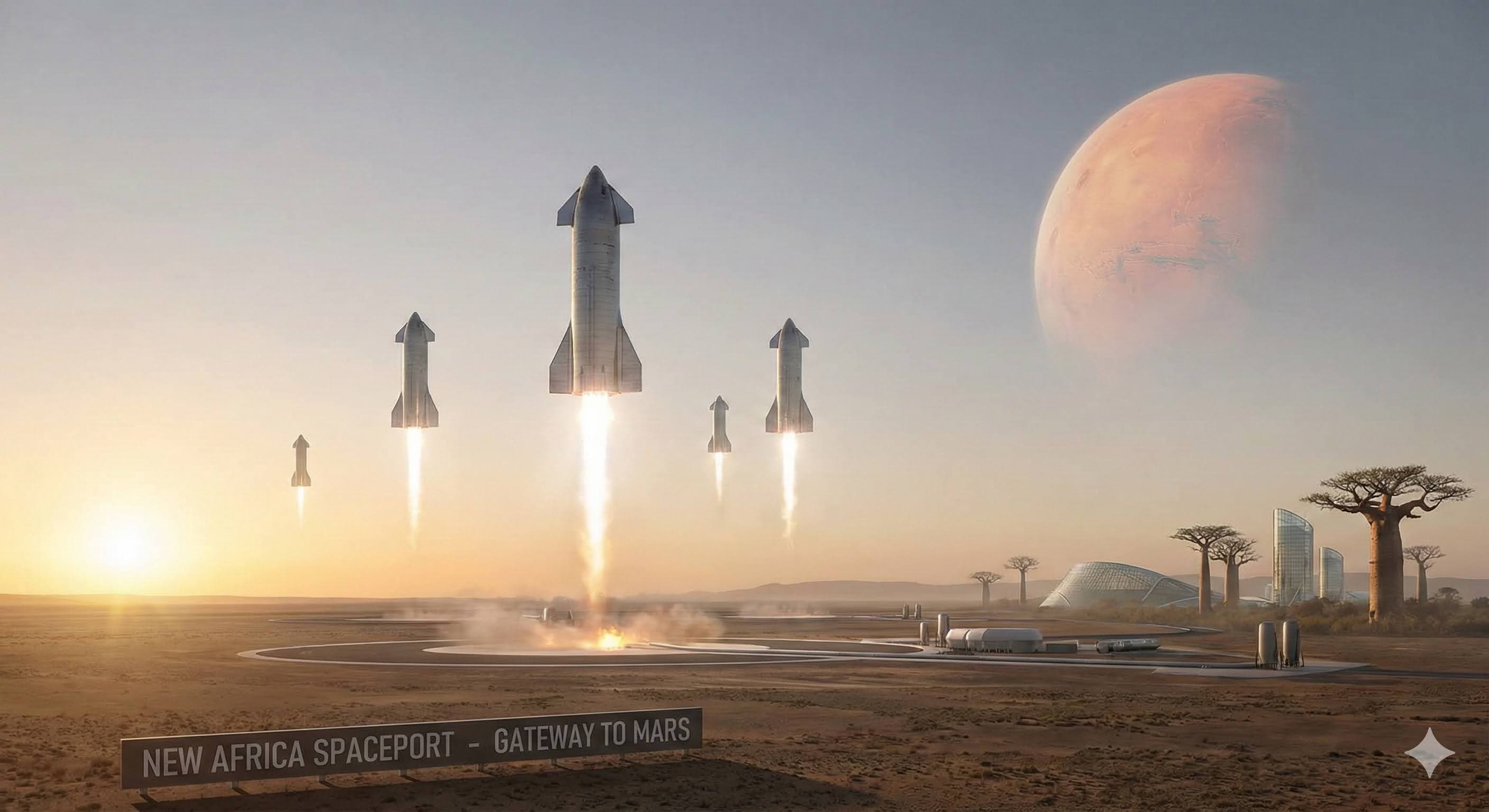
The early version of Mars settlement would probably look like a cluster of pressurized habitats, storage units, work bays, communications towers, landing pads, and protected greenhouses. Most of it would be built for function, not beauty.
People would spend a lot of time indoors. The air outside is too thin to breathe, the temperatures swing hard, and the dust gets into everything. So the colony would be compact, deliberate, and built around dependable systems.

The most realistic version begins with robots and cargo, then adds people only after the basics of power, water, shelter, and surface mobility are already working.
Before people land, cargo ships, construction robots, and scouting rovers would set up power, communications, landing zones, and the first stores of water, oxygen, and spare parts.
The first human settlement would probably feel more like a remote polar research base than a city. Think dozens of people, not thousands, living inside connected pressurized modules.
Once power, water, and life-support become dependable, the colony could add workshops, medical rooms, greenhouses, storage tunnels, and larger common spaces.
If a Mars settlement cannot make and store enough electricity, it cannot support air systems, water purification, communications, heating, food growth, computing, or fuel production. Energy comes first because almost everything else depends on it.
Mars gets sunlight, so the first colony would likely use large solar fields spread out on the surface. Robots would spend a lot of time cleaning dust and maintaining them.
Power collected during bright hours would be stored for night, storms, and emergencies. A Mars base could not afford to go dark just because the weather changed.
For steady base power, a small fission system is one of the most realistic long-term options. NASA is already studying surface fission power because it works even when sunlight is weak or dust is heavy.
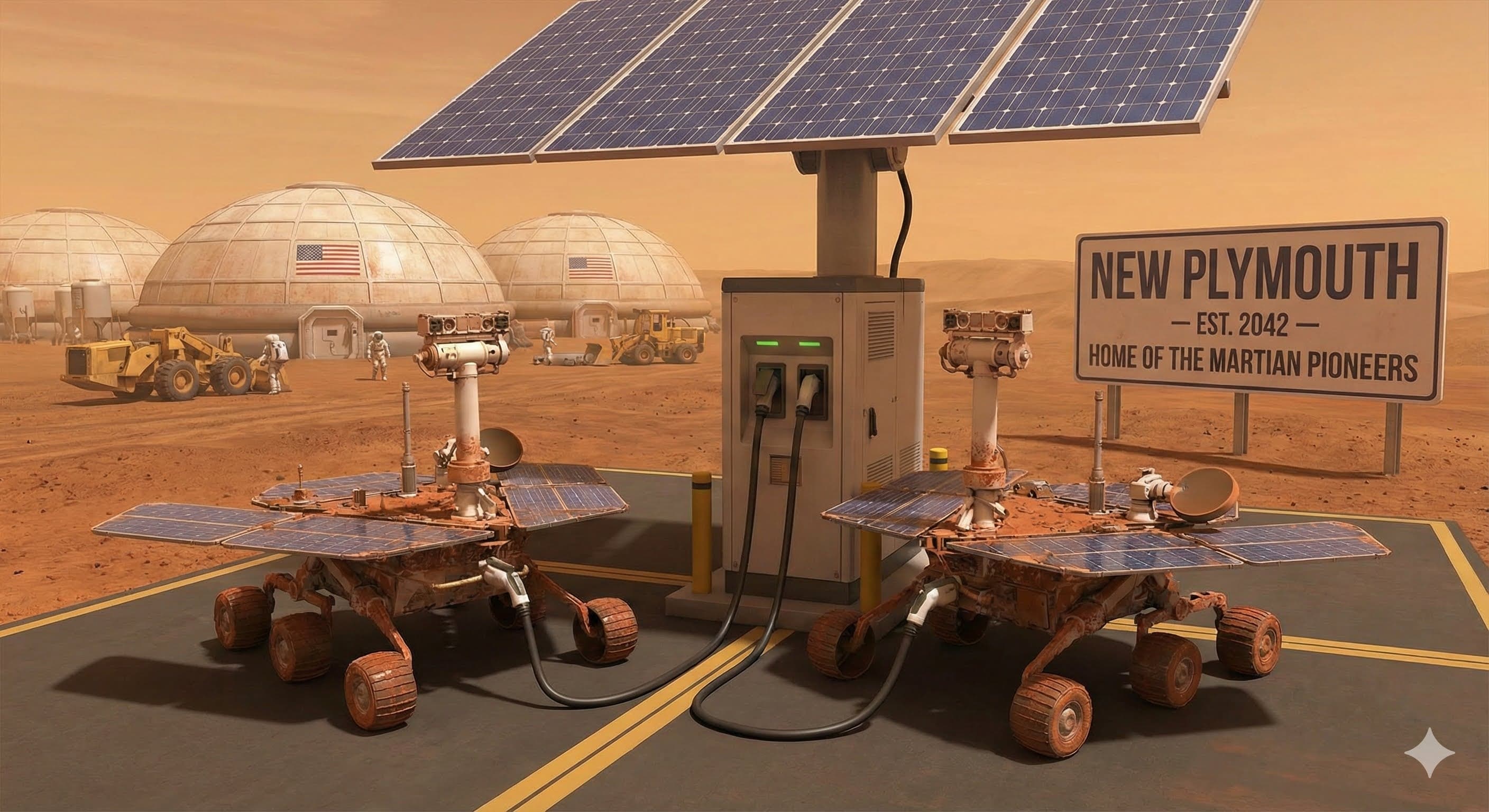
A Mars colony would survive by turning local materials into useful ones and by recycling obsessively. Water, oxygen, and pressure are not amenities there. They are the colony.
Early Mars farming would be a controlled engineering system. Fresh crops would matter for nutrition, morale, and variety, but they would supplement shipped staples for a long time before replacing them.
People would still cook, clean, stretch, repair things, talk to loved ones, and try to make a home. The difference is that every chore would sit on top of a very unforgiving planet.
Wake-up would probably follow the Martian sol, which is only about 39 minutes longer than a day on Earth. Crews would check base systems before almost anything else.
A lot of the day would be maintenance: air, water, power, seals, filters, software, tools, rovers, and greenhouse systems. Mars life would reward practical people.
EVA hours would be planned carefully. Going outside would be more like industrial field work than a casual walk, with dust, suit wear, and limited time always in mind.
Inside the habitat, people would still want ordinary things: meals together, music, exercise, privacy, jokes, windows or screens, and rituals that make a hard place feel human.
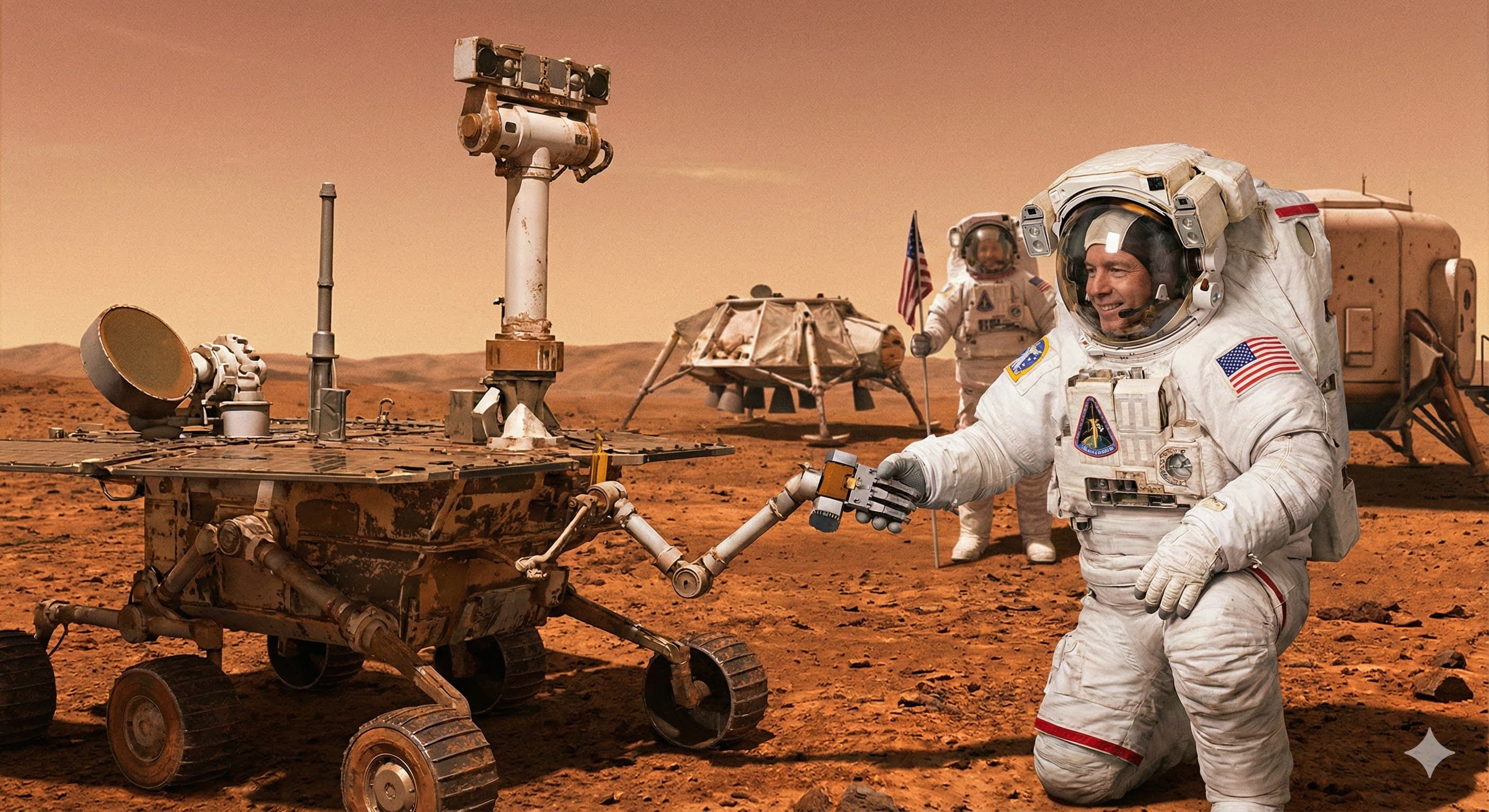
A real colony would lean heavily on machines for hauling cargo, inspecting equipment, scouting routes, cleaning solar panels, mapping terrain, and helping with outside work. Human time on Mars would be too valuable to waste.
The result would be a place where engineers, biologists, electricians, medics, software people, mechanics, cooks, and planners all matter at once. Mars would not only need explorers. It would need a whole town worth of practical talent.
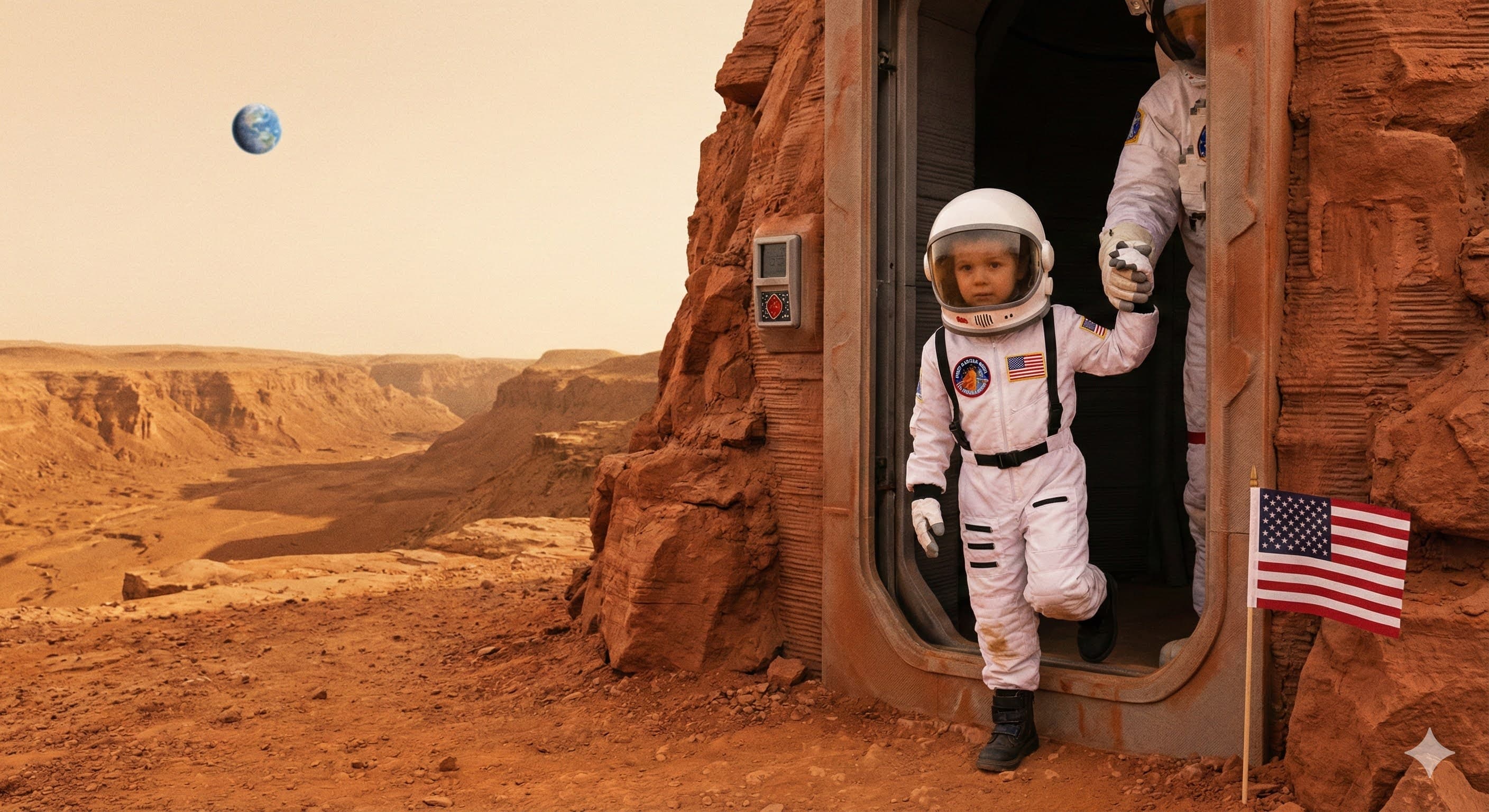
A buried or shielded settlement with power fields, greenhouses, machine shops, recycled water, careful food production, lots of maintenance, and people building a normal life in a place that does not naturally allow one.
It would not feel easy. But it would feel purposeful, technical, communal, and deeply human.